

Strengthening Faith. Providing Hope.
Guideposts is a Christian ministry sharing stories and experiences that inspire your walk with God and spread His comfort to others.
Faith-Inspired Products


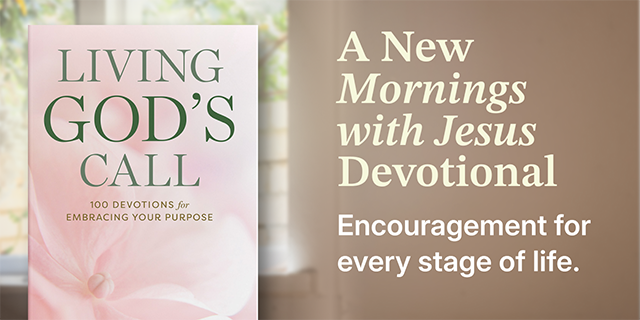
New Releases
Check out the latest in our ever-growing collection of devotionals, Bible companions, fiction books, and more!
Shop Now
Devotional Collection
Go deeper into God's Word with our collection of daily devotionals, devotionals for women, animal devotionals, and more.
Shop Now


Uplifting Fiction
Fiction filled with hope, faith, and characters who feel like friends — stories you can enjoy with confidence and peace of mind.
Shop Now

Every purchase powers our ministry, bringing hope and faith to millions.
Join our community!
Grow Closer to God—One Listen at a Time
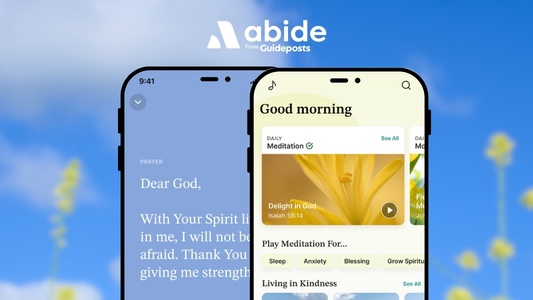
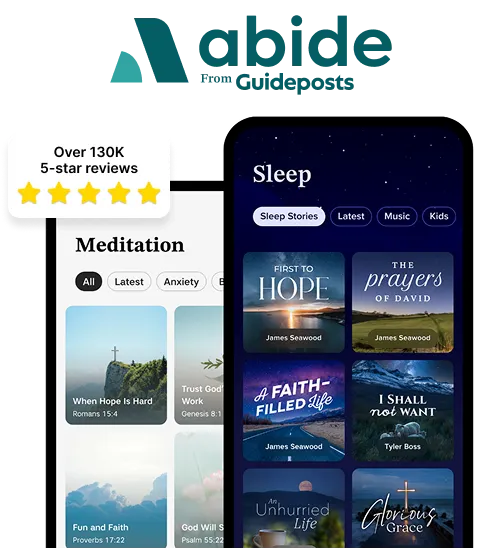
Experience the peace of Christ with Abide, the #1 Christian meditation app with 5.5 million downloads.

"This is a great app that speaks God's living Word, Christ Jesus into my inner spirit and soul... through the ups and downs that confront me each day."
— Stephen P.
God's Wisdom

Inspiring Stories from Real People
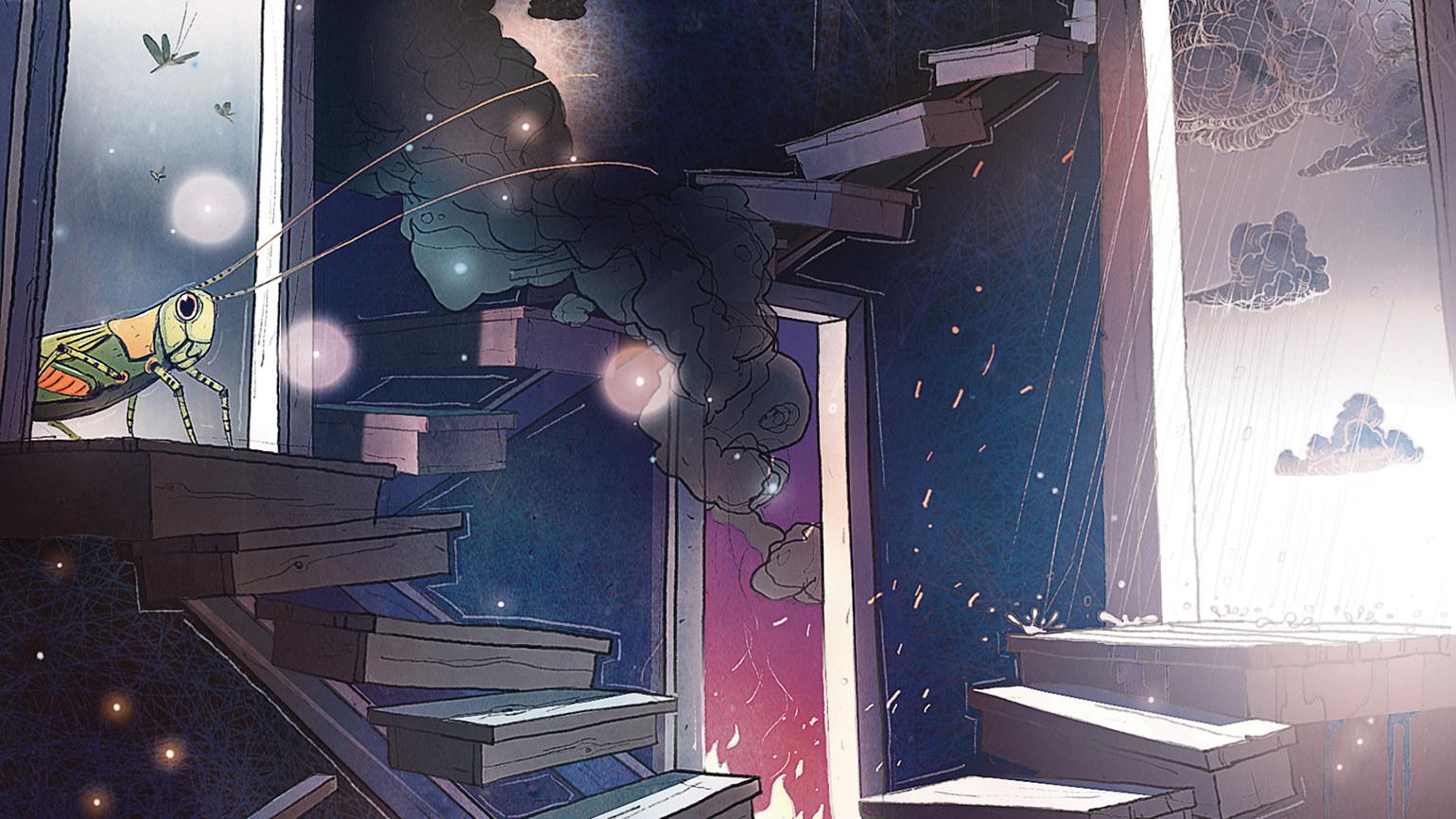
Unusual Dreams: Was God Telling Her Something?
A Guideposts staffer speaks to a pair of experts to discern whether her unusual dreams are, in fact, divine guidance.

How to See the Best in Yourself
While others may judge us or find fault, God always sees our potential.
Turn Your Worries into Blessings
If you’re preoccupied by problems, you have an option. Shift your focus to something positive, just for a moment.

 Quote of the Day
"Hope is a daring seed that you plant with prayer again and again."
Ann Voskamp, Author
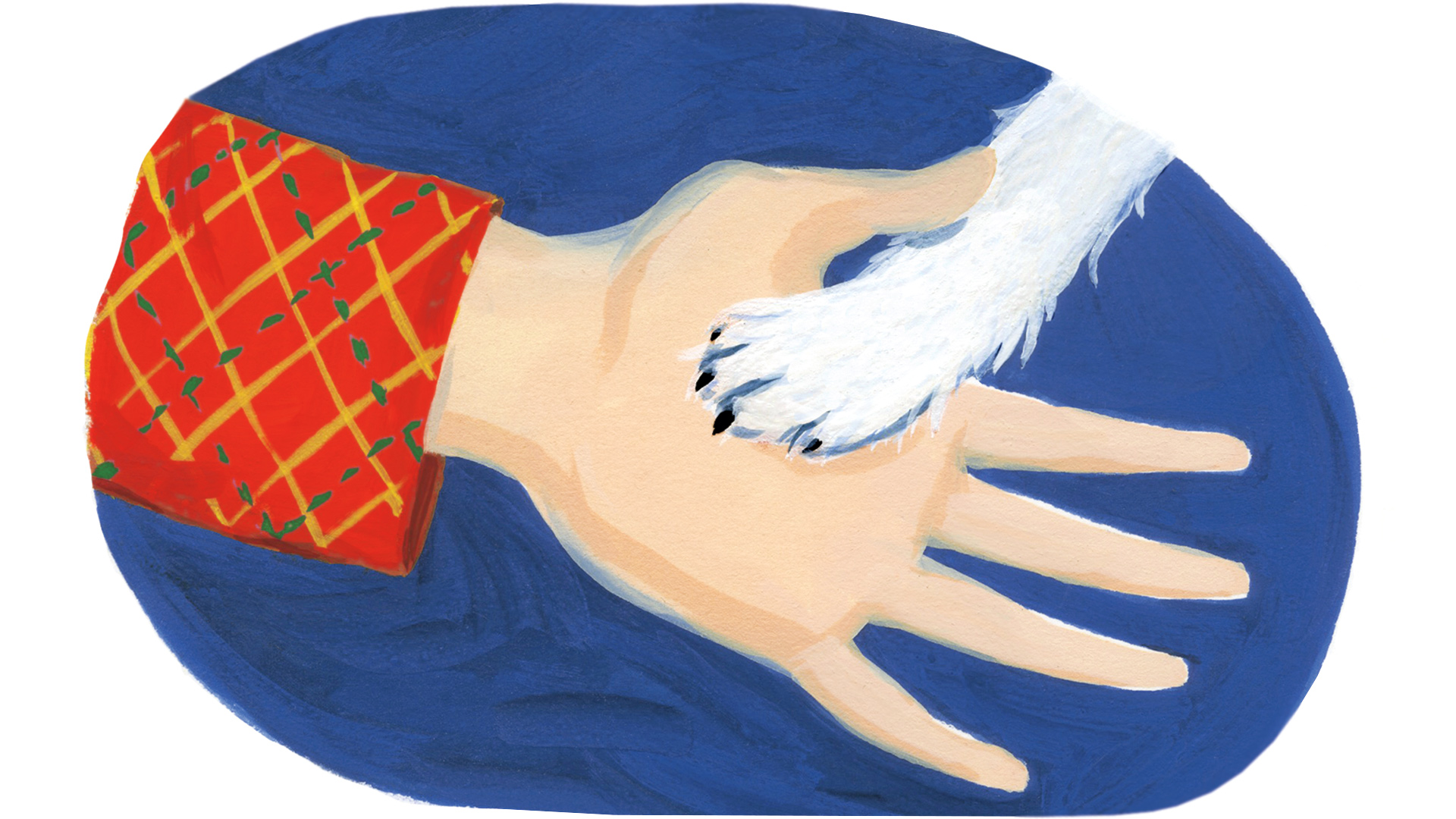
What Prayer Can Do: Hand in Hand
Unable to enter an overcrowded barn for a December mass, she felt left out in worshiping outside—until she realized she was not alone.
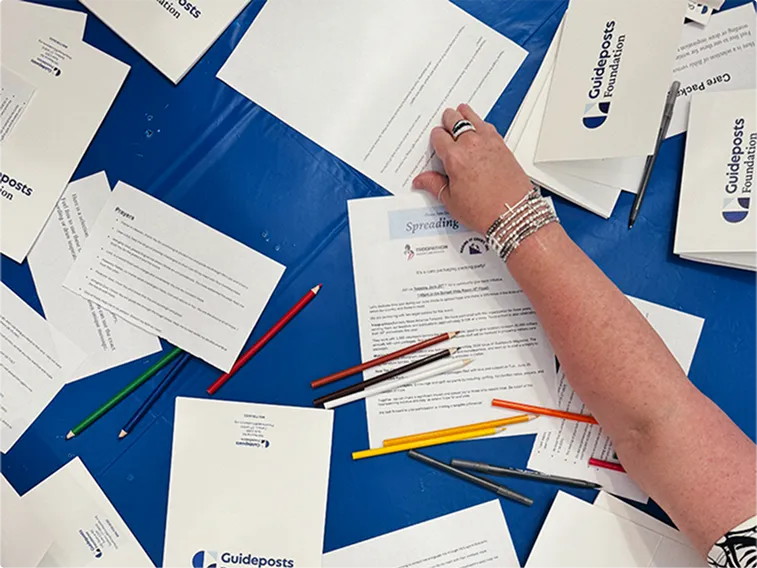

Outreach in Action
Every year, Guideposts brings faith-based support to millions nationwide including nursing homes, hospitals, prisons, and veteran centers.
Spread His Love

Together, we can share God’s hope to those in need — one story, one prayer, one life at a time.